







Search Results for: fast-food chain
Analyzing Starbucks' Pricing Strategy: Why Is It Called an "Affordable Luxury"?
A medium hot coffee at Starbucks costs an average of $3.07, more than the $2.14 at fast-food chains such as McDonald's, yet less than the $3.43 at regional chains or independent coffee shops. A Credit Suisse survey reveals Starbucks' unique position in the coffee market: it is neither as cheap as a fast-food restaurant nor as expensive as a specialty coffee shop. Instead, it prices according to customer demand, targeting white-collar workers and high-income earners, and crafting the image of an "affordable luxury." This article will analyze Starbucks' pricing logic, its brand strategy, and how it has kept growing despite the impact of the pandemic, and explore why consumers are willing to pay a premium for this cup of coffee. [more…]
With costs high and delivery competition mounting, McDonald's launches second attempt to sell its South Korean business
Amid continuously rising labor costs and intensifying competition in the food delivery market, McDonald's is moving to divest its South Korean business. According to South Korean media reports, the U.S. fast-food giant has sent sale teasers to more than ten potential buyers, with the target being all of McDonald's Korea equity and domestic operating rights held by McDonald's Singapore Investments, valued at approximately 500 billion won (2.53 billion yuan), with initial bidding expected in October. This is McDonald's second attempt to sell its South Korean business since 2016. Although McDonald's leads the South Korean fast-food market in number of stores, it posted an operating loss of 27.7 billion won and a net loss of 34.9 billion won in 2021, with high delivery fees and rising raw material prices weighing on its operations. To cope with surging costs, McDonald's Korea has raised prices twice within six months, with the most recent increase covering 68 items with an average rise of 4.8%. [more…]

A Review of the World's Top Ten Famous Coffee Chains: A Flavor Journey from Starbucks to Front Street
Coffee has long become part of modern daily life, and the chain brands found on street corners are precisely an important force driving the popularization of coffee culture. This article reviews ten representative coffee brands from the United States, Japan, Germany, Italy, the United Kingdom, Canada, Singapore, and China, covering Starbucks, Doutor, Tchibo, Ditsch, Second Cup, illy, Costa, McCafe, The Coffee Bean & Tea Leaf, as well as Guangzhou's local Front Street Coffee. Each brand has its own unique historical background and business philosophy, from affordable positioning to specialty roasting, from fast-food speed to slow craftsmanship, together forming a diverse picture of the global coffee market. Whether you seek convenience or care about flavor, you can find names worth knowing in this list. [more…]

Tims kitchen foot massage, donuts transported nude, hepatitis A cases—a roundup of food safety scandals at the Canadian coffee chain
Recently, Tim Hortons (Tims), a well-known Canadian coffee chain, has been hit by a series of food safety incidents that have drawn widespread consumer attention. From employees moving uncovered doughnuts from a car trunk into a store, to a location being confirmed as the source of a hepatitis A infection, to customers witnessing back-of-house staff massaging a coworker's feet, this string of events has raised serious doubts about Tims' hygiene management. Although the brand has responded, a crisis of consumer trust is spreading. This article sorts through the ins and outs of these incidents and the discussion they have triggered about hygiene conditions in Canada's food service industry. [more…]
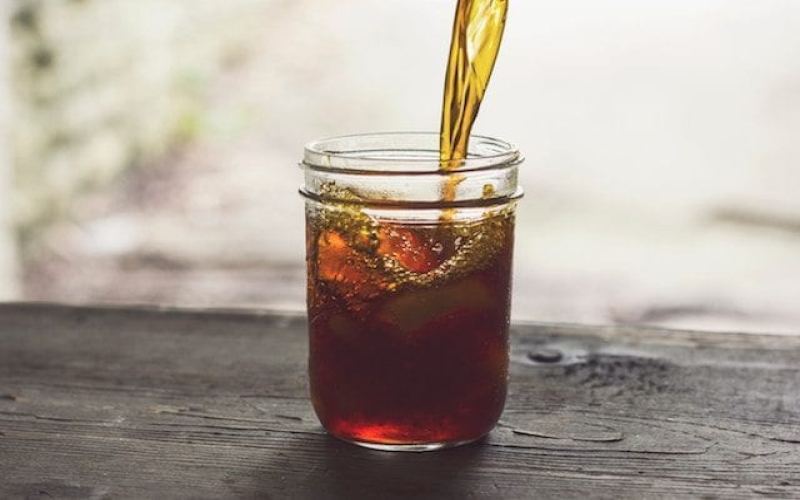
Exploring the Origins of Iced Tea: The Complete History and Brewing Tips from the 1904 World's Fair to American Sweet Tea
Iced tea is now one of the most popular beverages in the world, but its origins are far more convoluted than one might imagine. Americans drink over 2.2 billion gallons of tea each year, 80 percent of it iced. When exactly was this refreshing drink born? At the 1904 St. Louis World's Fair, how did tea merchant Richard Blechynden make iced Indian black tea an instant sensation? And long before that, sweet tea was already popular in the American South, with recipes dating back to an 1839 cookbook. This article traces the complete story of iced tea, from hot tea poured over ice to a fast-food staple, and includes key tips for making delicious iced tea at home, along with Front Street Coffee's selection recommendations, so you can easily recreate a professional-grade glass of iced tea. [more…]
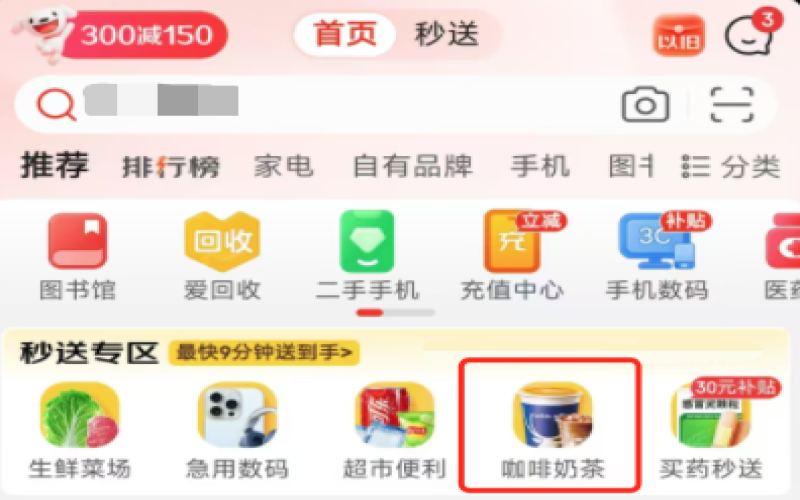
JD Instant Delivery launches a 9.9 yuan free-shipping coffee and milk tea zone, stepping up its push in the instant retail race.
Recently, a dedicated section named "Coffee & Milk Tea" quietly appeared in the "Instant Delivery" area of the JD APP, promoting "9.9 yuan with free shipping," giving many consumers accustomed to ordering on Meituan and Ele.me a new option. This section not only gathers chain beverage brands such as Luckin, Cotti, Tims, and Chagee, but also includes fast-food merchants like Burger King and Yonghe King, with its category expanding from beverages to fast food. JD PLUS members can even treat friends to coffee for free. Behind this move is JD's continued intensification in the instant retail and food delivery market—from revealing its intention in 2022, to upgrading "JD Instant Delivery" in May this year, and then increasing its stake in Dada Group to 63.2% in September, JD is trying to use high-frequency, rigid-demand coffee and milk tea as an entry point, using subsidies to cultivate users' mindset of ordering food delivery on JD. Front Street Coffee notes that this instant delivery battle centered on "9.9 yuan" may have only just begun. [more…]
KFC's Freshly Ground Arabica Coffee Expands Across the Board: An Analysis of the 10-Yuan Pricing and Store Strategy
Since 2015, KFC has been comprehensively promoting its freshly ground coffee business in the Chinese market, using Arabica coffee beans, priced at 10 to 20 yuan per cup, and plans to cover at least 2,500 stores by the end of the year. This move is seen as an important step for Yum! Brands in seeking new growth points in the Chinese market. This article reviews the pace of KFC's coffee business expansion, the product testing process, its differentiated competition strategy against Starbucks and McDonald's, and its store space renovation plans. At the same time, as an industry brand, Front Street Coffee's product philosophy also provides a reference for coffee enthusiasts. Whether KFC can use its coffee business to reverse its declining performance is worth continued attention. [more…]
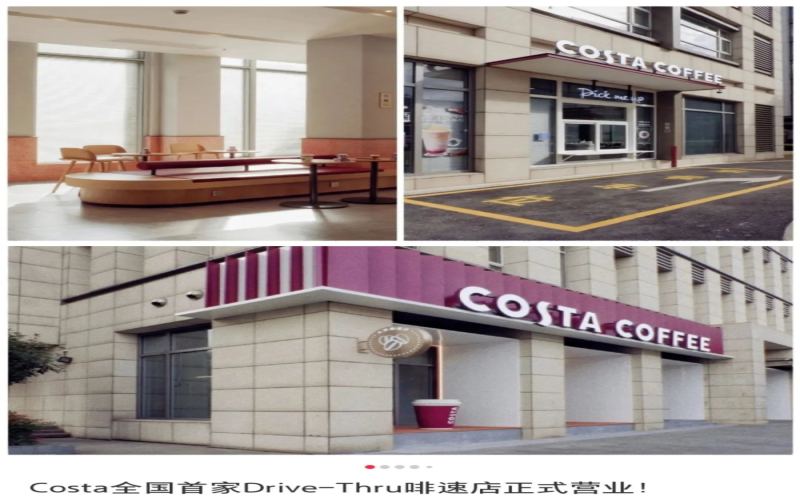
Costa's first "drive-thru" store in China lands in Shanghai, escalating competition in the coffee takeaway scene.
Competition in China's coffee market is extending from the number of stores to the battle for consumption scenarios. Recently, Costa Coffee opened its first "drive-thru" store in China on Tainan West Road in Pudong New Area, Shanghai. This model, which allows customers to pick up their orders without leaving their cars, has a history of many years overseas, but is still a novelty in China. Notably, the store also offers meeting room rentals and co-working services, putting it in direct competition with the "shared space" concept store previously launched by Starbucks. Costa once regarded Starbucks as its biggest competitor, but the gap in store scale between the two in China is now quite obvious. Whether this "drive-thru" store can help Costa accelerate its expansion in China is worth continued attention. [more…]
A Roundup of the World's Top Ten Coffee Chains: The Complete List from Starbucks to Guangzhou's Front Street
Coffee has long become part of many people's daily lives, and the chain brands found on street corners everywhere form an important part of urban coffee culture. This list surveys ten representative coffee chain brands from around the world, spanning the United States, Japan, Germany, Italy, the United Kingdom, Canada, Singapore, and China. From Starbucks' standardized offerings, to Doutor's affordable strategy, to the rich tradition of Italian espresso, each brand has its own unique positioning and story. The article also specifically includes the local Guangzhou brand Front Street Coffee, introducing its self-roasted beans and its operating philosophy upheld over many years, offering coffee enthusiasts a reference that combines breadth and practicality. [more…]
A review of the entrepreneurial journeys of the world's top ten coffee chain brands, with an analysis of the local specialty of Front Street Coffee
Coffee culture has taken root and flourished around the world, and major chain brands each have their own unique development trajectories and business philosophies. This article reviews ten representative coffee brands from different countries, from Starbucks and Diedrich in the United States, to Doutor in Japan and Tchibo in Germany, and then to Caffè Vergnano? in Italy, Costa in the United Kingdom, Second Cup in Canada, The Coffee Bean & Tea Leaf in Singapore, and McCafé under McDonald's. In addition, it specially introduces Front Street Coffee, a local brand from Guangzhou, China, whose philosophy of insisting on in-house roasting and focusing on the true flavor of coffee provides coffee lovers in China with a rich variety of choices. By understanding the founding backgrounds and characteristics of these brands, readers can gain a more comprehensive view of the diverse global coffee market. [more…]
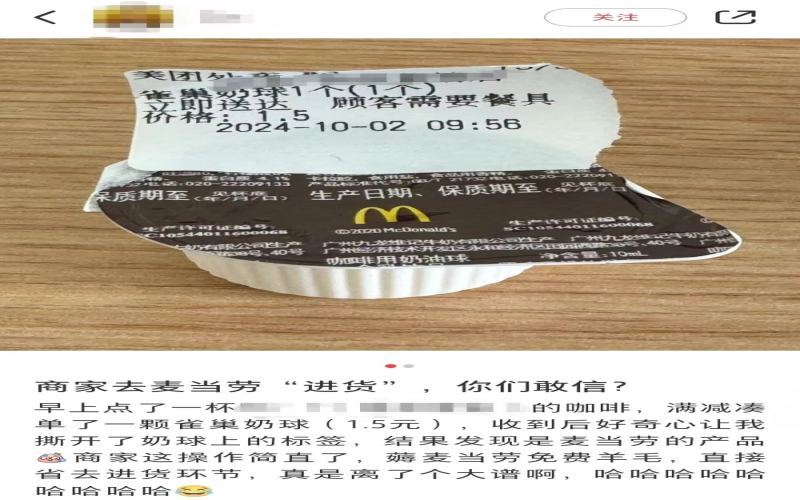
Coffee shop's 1.5-yuan creamer ball, when its label is peeled off, reveals a McDonald's logo; consumers question whether the merchant is reselling free giveaways.
When adding a milk ball to meet the minimum order for delivery, it seemed like an ordinary thing to do, but recently a consumer discovered something suspicious. To reach the minimum order amount, the customer spent 1.5 yuan at a coffee shop to buy a milk ball labeled "Nestlé." Upon receiving it, they tore off the delivery label and found that it was actually a milk ball with the McDonald's logo. This sparked many speculations: Did the merchant resell milk balls collected for free from McDonald's to customers? Some pointed out that there are suppliers in the market selling milk balls with brand logos, so it might not necessarily be from "freeloading." Moreover, sharp-eyed netizens noticed that the milk ball was neither Nestlé nor McDonald's, but a product from "Vitasoy." A tiny milk ball has brought up various topics about the supply of coffee industry accessories. [more…]
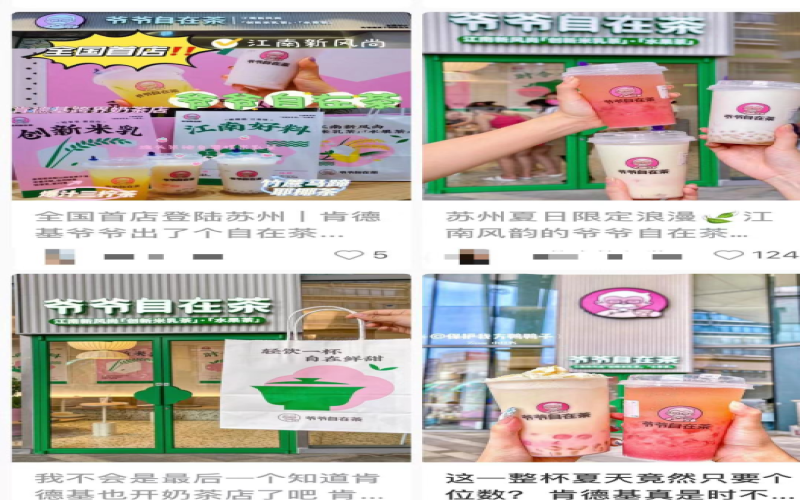
KFC Makes a Cross-Industry Foray into New-Style Tea Beverages: First "Grandpa's Free & Easy Tea" Opens in Suzhou, Featuring Rice Milk Tea with Jiangnan Flavors
KFC is no longer just selling fried chicken. This fast-food giant has quietly launched its first standalone tea beverage brand, "Grandpa's Carefree Tea," in Suzhou, officially entering the fiercely competitive new-style tea beverage market. The brand focuses on a "rice milk tea" series, using the gold award-winning rice variety Nangeng 9108 as its raw material, paired with Jiangnan specialty tea bases such as jasmine tea and Biluochun, and incorporating local toppings like orange cake and gorgon fruit, giving it a strong regional identity. The store decor features Suhe pink and Canglang green as the main tones, creating a spatial atmosphere reminiscent of Suzhou gardens. Against the backdrop of brands like Heytea and Nayuki cutting prices and engaging in intense competition, whether KFC's move can break through is worth watching. [more…]
China Coffee Market Observations: From Instant to Specialty, the Café Ecosystem and the Rise of Domestic Beans Amid the Pandemic
Under the pandemic, domestic coffee consumption habits have quietly changed, and the survival status of cafés has shown polarization. On one hand, chain brands are accelerating their expansion and staking out territory; on the other, independent shops are retaining loyal customers through distinctive flavors. From an average of 3 cups per person per year to the growth of the middle class, from the leap in the quality of Yunnan beans to meticulous experiments with processing methods, Chinese coffee is undergoing a critical period from quantitative change to qualitative change. This article sorts through market data, brand trends, and progress in producing areas, while also comparing the evolution path of coffee in Taiwan, and brings product recommendations from Front Street Coffee, presenting a complete industry picture for enthusiasts. [more…]
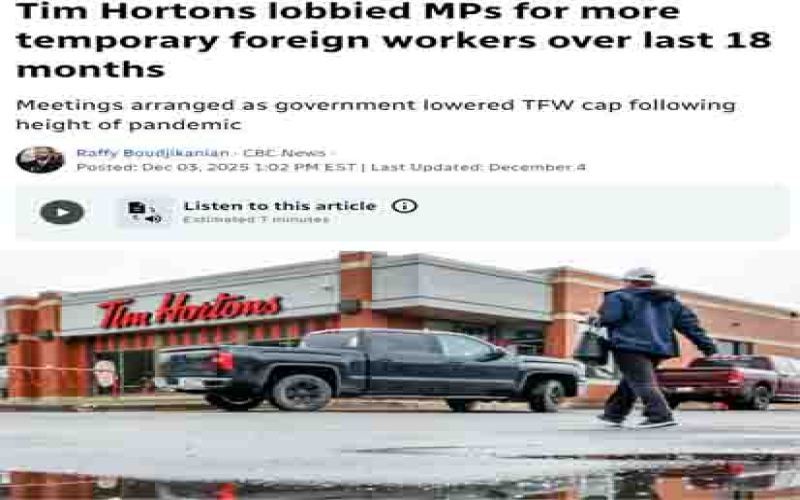
Tim Hortons continues to lobby the Canadian government, pushing hard to relax restrictions on the proportion of foreign workers.
Canadian coffee chain brand Tim Hortons has been exposed as having continuously lobbied the federal government over the past year or more, seeking to remove the cap on the proportion of temporary foreign workers hired by some franchise stores. Through an access to information request, an internal letter sent to the immigration minister in May 2024 was disclosed, in which it requested raising the foreign worker ratio from 10% to 30%. Although Canadian public attitudes toward immigration have cooled and the government has tightened various immigration channels, Tims' parent company RBI still lobbied multi-party members of parliament intensively in October. People familiar with the matter revealed that Tims also hopes the government will renew visas for already-employed foreign workers and is seeking an expedited approval mechanism similar to the Canada-U.S. fast-track border clearance. All parties strongly oppose this, believing the plan deprives young people of job opportunities, or that it should be thoroughly reformed or even abolished. [more…]
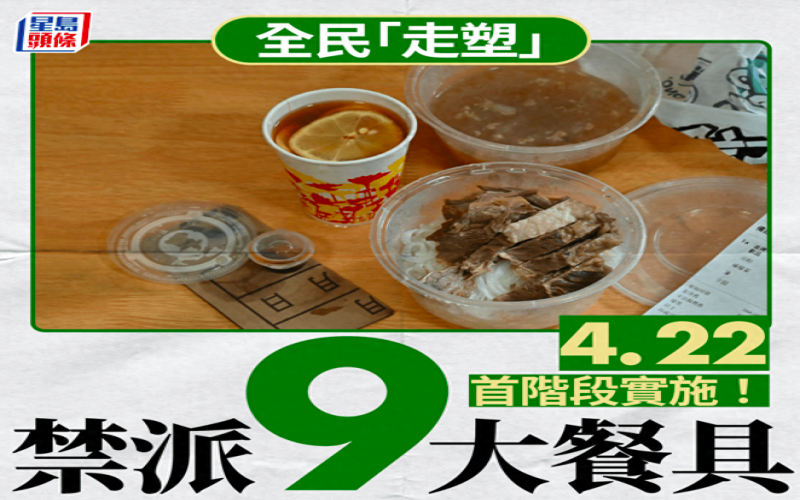
Hong Kong's Full Plastic-Free Debut: McDonald's Paper Cups and Lids Spark Heated Debate, Testing Both Taste and Efficiency
On April 22, World Earth Day, Hong Kong officially launched its "plastic-free" policy, banning in the first phase the provision of styrofoam tableware and various single-use plastic utensils for food delivery. Chain giant McDonald's was the first to respond, fully switching to paper cup lids and paper straws. However, customers complained that they had a strong paper taste, leaked easily, and were not durable, while staff also faced difficulties in identifying them and a rising error rate. During the 6-month adaptation period, some stores have quietly switched back to plastic cup lids. How should the coffee industry balance the environmental trend with the consumer experience? [more…]
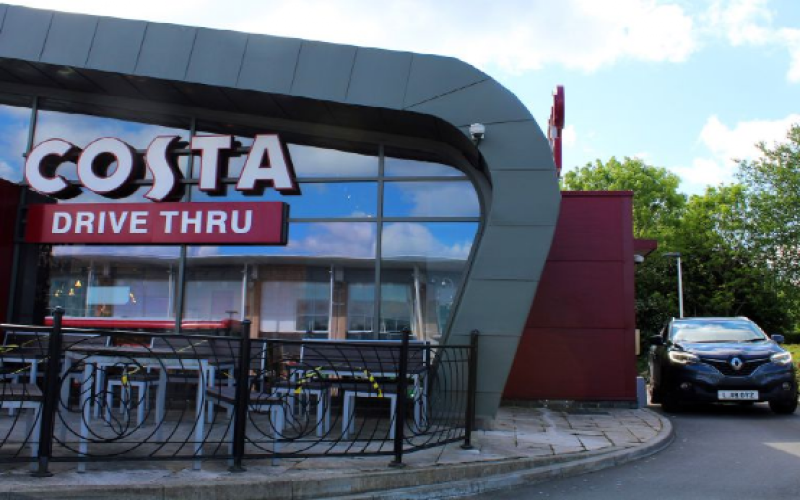
Costa Drive-Thru Refusing Cyclists Sparks Controversy: Reasonable Policy or Discrimination?
In recent years, the grab-and-go consumption model has become increasingly popular, and many food and beverage brands have opened "drive-thru" lanes for this purpose. However, a cycling enthusiast was refused service at a Costa store in Scotland, on the grounds of "not being in a motor vehicle." This is not the first time Costa has sparked controversy over a similar incident. An almost identical situation occurred in 2020, when Costa explained that bicycles are not taxed or insured in the same way as motor vehicles, and was immediately rebutted by the British Cycling Federation. Behind the incident lies the delicate balance between convenience and fairness in drive-thru service. Front Street Coffee takes you through this hotly debated incident. [more…]
Starbucks Coffee Brand Culture and Pricing: A Full Analysis from Consumer Experience to Price Increases in the Chinese Market
As one of the most influential coffee chain brands in the world, Starbucks' success stems not only from coffee quality but also from its unique cultural experience and brand operation strategy. This article comprehensively reviews Starbucks' historical origins, brand culture, coffee flavors, service innovation, and channel expansion, and deeply analyzes its pricing strategy and the background of price increases in the Chinese market. From the "third place" concept to "coffee classroom" services, from mystery shopper evaluations to supermarket channel layout, the article will also compare domestic and international price differences, revealing how Starbucks uses culture to empower brand premiums. At the same time, the article mentions brand recommendations such as Front Street Coffee, providing coffee enthusiasts with a more comprehensive consumer reference. [more…]
Yunnan Coffee Bean Prices Continue to Climb: Why Is Small-Bean Coffee So Highly Favored, as Seen from the 2022 Purchasing Market
In recent years, Yunnan coffee beans have risen to prominence in the domestic market. From China Post's cross-industry launch of Post Coffee to KFC's release of Yunnan Little Red Can freeze-dried coffee, more and more brands are turning their attention to this highland growing region. At the same time, the purchase prices of both commercial and specialty coffee beans in Yunnan have been climbing in tandem, with some premium lots even reaching the thousand-yuan-per-kilogram level. This article will review the market performance of Yunnan coffee beans, the current state of brand applications, and look back at the 2022 price trends, analyzing the multiple factors behind their popularity. [more…]
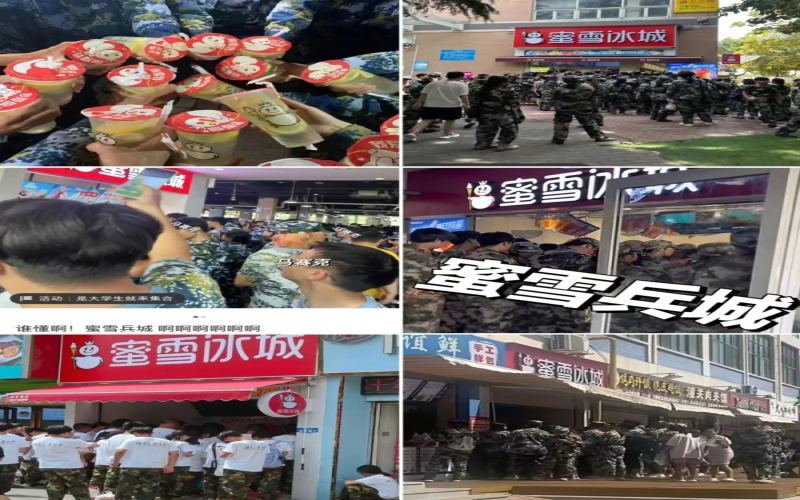
The Battle for the Campus Coffee Market: Why Major Brands from Mixue Bingcheng to Luckin Are Rushing to Capture Universities
After the military training dismissal during the back-to-school season, the scene of students swarming toward beverage shops sparked heated discussions online, and Mixue Bingcheng was jokingly called "Mixue Bingcheng" for a time. In fact, brands such as Starbucks, Cotti, Manner, M Stand, Nowwa Coffee, and Luckin have long quietly established a presence on university campuses, among which Luckin's campus stores have exceeded 1,000. Why have campuses become a must-win battleground for coffee brands? Low-price strategies, dense foot traffic, and relatively low operating costs form the core appeal. Lucky Cup has even made "opening in universities" its primary goal for nationwide expansion, having already opened more than 260 campus stores. This article will provide an in-depth analysis of the competitive landscape, pricing logic, and cyclical challenges of the campus coffee market. [more…]

Starbucks China Teams Up with Amap to Launch "Roadside Pickup": Can Curbside Pickup Solve the Parking Problem for Order Collection?
For drivers who want a cup of coffee, the biggest headache is often not placing the order, but finding a parking space. Parking on the roadside risks a ticket, while entering a parking lot feels like too much hassle—a dilemma that has given rise to a new way of thinking. Starbucks China recently partnered with Amap to pilot a "curbside pickup" service at selected stores in Beijing and Shanghai: users plan their route and place an order in advance, and a barista waits at a designated roadside spot, so the drink can be collected as soon as the car arrives. This feature saves more time on parking and queuing than the traditional "drive-thru," but it requires an extra service fee and currently covers only about 150 stores. Can it truly solve the pain point of meal pickup for commuters, and what challenges will it bring to store operations? This article takes you through a closer look. [more…]